

Bismuth (Bi)
- Low Melting Point: Optimises processing for lead and tin-based alloys.
- Unique Solidification: Expands as it cools to prevent casting shrinkage.
- Versatile Application: The definitive choice for low-melting-point alloys.
Bismuth Purity Grades
99.99% Min
Ultra-pure refined bismuth reserved for laboratory-grade chemical applications, pharmaceutical formulations, and cosmetics.
99.97% Min
High-purity refined bismuth optimised for eco-friendly metallurgy, fusible alloys, and lead-free soldering solutions.
Global Logistics
Fast domestic dispatch across the United Kingdom with established international freight networks for reliable worldwide shipping.
Key Physical Properties
| Physical Property & Sizing | Value & Industrial Benefit |
|---|---|
| Melting Point | 271.4°C |
| Density | 9.78 g/cm³t |
| Volumetric Expansion | Expands 3.3% on cooling |
| Thermal Conductivity | Exceptionally low |
Standard Packing Options & Formats
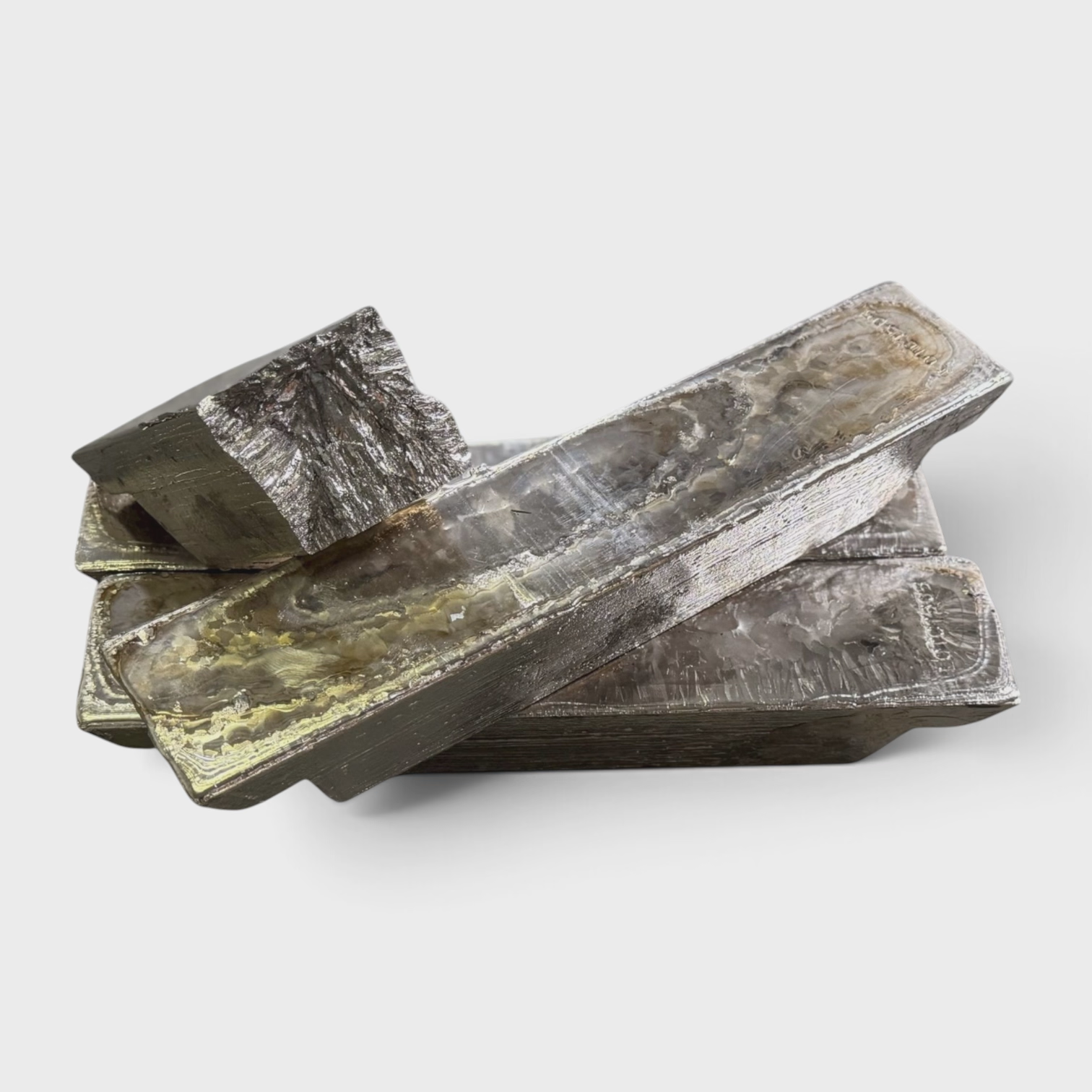
- Standard Format: 15kg Ingots, 1kg bars, 500g bars
- Precision Dosing: Broken Ingot Pieces, chunks, and pellets
Key Industrial Applications
Specialised bismuth containing alloys are widely utilised in fire detection systems, thermal fuses, and optical lens grinding. Due to its high density and non-toxic properties, bismuth is also heavily adopted as a safe substitute for lead in commercial fishing weights and shotgun ammunition.
Frequently Asked Questions
What is the difference in uses between 99.99% and 99.97% Bismuth purity?+
99.99% minimum Bismuth is optimised for the pharmaceutical and cosmetic industries as well as chemical applications that require this ultra high purity. 99.97% minimum purity bismuth is a more eco-friendly grade that is generally used in fusible and lead-free alloys, mostly for its expansive properties to prevent shrinkage or to lower the melting point of the alloy.
Does DKL Metals guarantee that its pure bismuth is fully REACH and RoHS compliant?+
Yes, comply fully with UK REACH and European environmental standards. Every shipment is provided with a comprehensive Safety Data Sheet (SDS) detailing local exposure limits, recommended personal protective equipment (PPE), and safe workplace handling practices.
Why is bismuth added to alloys to prevent shrinkage?+
Most metals shrink when they cool, but bismuth expands as it solidifies. Adding bismuth to an alloy counteracts this natural shrinkage, ensuring the final mixture maintains its exact size and fills molds with high precision.