

Arsenic (As)
High Purity Alloying Element
Product Overview
Arsenic plays a vital role as an alloying element in lead alloys, particularly for battery applications and lead shot manufacturing. It is also widely utilised to significantly enhance and stabilise corrosion resistance within brass and copper alloy formulations.
Industrial Applications
Extensively used in lead alloys for manufacturing reliable battery grids, electronic components, and ammunition production.
Corrosion Resistance
Acts as an essential stabiliser that enhances structural integrity and protects copper and brass formulations from environmental degradation.
Purity Standards
Strictly manufactured and monitored to ensure a 99.9% minimum purity level, making it highly reliable for precision metallurgy.
Chemical and Physical Properties
| Property | Specification Detail |
|---|---|
| Purity | 99.9% Minimum |
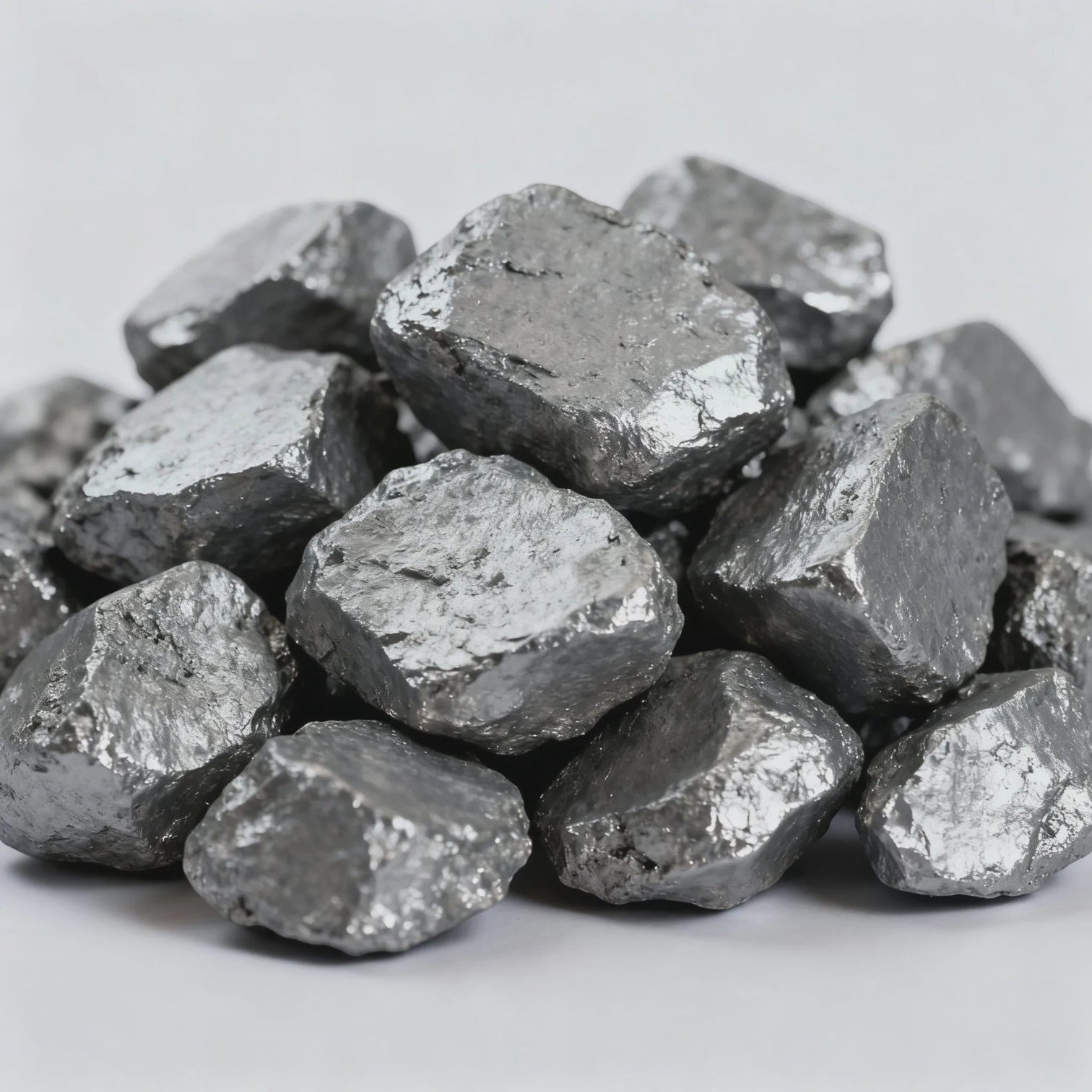
| Appearance | Silver to black crystalline lumps |
| Primary Role | Alloying agent for metallurgical properties |
| Regulatory Information | Inorganic compound subject to stringent controls |
Product Sizing & Form Availability
Our premium arsenic metal is processed into clean, stable lumps optimised for easy handling and efficient distribution during the alloying process:
- Standard Lump Size: 50mm – 100mm
For detailed corporate safety parameters or to understand regional tracking guidelines, you can review the official Gov.uk Arsenic: General Information Guidance.
Frequently Asked Questions
Where can I buy 99.9% high purity arsenic metal lumps for lead alloy manufacturing?+
DKL Metals Ltd supplies 99.9% minimum purity arsenic metal lumps through our global supplier network.
What is the standard commercial sizing of arsenic used as an alloying element?+
Our premium industrial-grade arsenic metal is supplied as clean lumps sized between 50mm and 100mm. The sizing is engineered to ensure optimal handling, precise measuring, and highly efficient distribution throughout the hot-melt base-alloy matrix during alloying.
How does adding arsenic to brass and copper alloys affect corrosion resistance?+
Arsenic acts as an essential metallurgical stabiliser in copper and brass formulations. By refining the microstructure, it significantly enhances structural integrity and provides long-term resistance against dezincification and environmental degradation in harsh, high-exposure conditions.